Cards or cash? Paying for taxis abroad can be tricky. This guide breaks down every payment method by city, from Apple Pay in London to cash in Bangkok, so you can ride with confidence.
Do Taxis Take Cards?
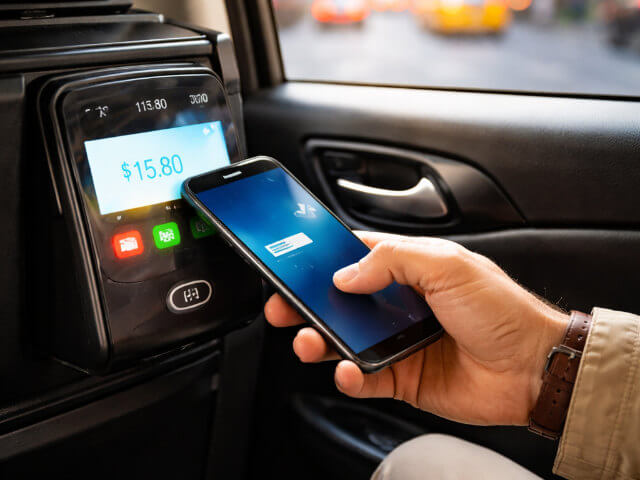
Most taxis in big cities now accept credit cards. This makes travel easier because you do not need to carry lots of cash. But rules change from country to country. Some places love cashless payments. Other places still prefer cash.
In New York City, every yellow cab must accept credit cards by law. The same rule applies in London. All licensed taxis there need card readers. This means you can tap your card or phone and go.
But not every city works this way. In some countries, cash is still king. Always check before you travel. For more safety advice, see our scam prevention tips.
Cash vs. Card: Global Trends
The world is split on payments. Digital payments now make up 54% of all global transactions. But cash still rules in many places.
In Germany, 73% of people still use cash. Austria, Poland, Italy, Spain, and Japan are similar. These countries love paper money. Taxis there often prefer cash even when cards are accepted.
Nordic countries are the opposite. Sweden leads with 99% digital payments. Norway and Finland are close behind. In these places, you can leave your cash at home.
Asia shows the biggest split. China and Korea are nearly cashless. But Japan still uses cash for 82% of payments. Taxis in Tokyo now take cards, but rural areas want yen.
The pandemic changed everything. People now want contactless payments for safety. Cashless growth is driving taxi app adoption worldwide. Even cash-loving countries are slowly changing.
Mobile Wallets in Cabs
Apple Pay and Google Wallet are taking over taxis worldwide. 20% of riders used Apple Pay for their last rideshare trip by June 2024. This is a 400% jump from 2021.
Young people lead this change. Gen Z prefers contactless payments over cash. This trend is spreading to all age groups. By 2028, cashless taxi payments could hit 91%.
London shows how fast this is growing. Apple Pay powers 90% of transit fares in the city. This includes black cabs and rideshares. You can tap your iPhone or Apple Watch and go.
In the United States, 94% of retailers accept Apple Pay. Most taxis now accept it too. Google Pay works at 87% of merchants. Both wallets use NFC technology. This means you just hold your phone near the reader.
The UK requires all taxis to accept contactless payments. Since 2016, London cabbies must take cards. Most now accept Apple Pay and Google Pay too. Passengers simply tap their phone on the reader. The payment completes in under two seconds.
Asia is catching up fast. Google Pay surged 46% in Southeast Asia in 2024. Thailand, Indonesia, and Vietnam lead this growth. Apple Pay climbed 35% in India and Brazil. Taxis in these countries now display QR codes or NFC readers.
Security drives this trend. Mobile wallets never share your real card number. They use tokenization instead. This means a fake number is sent to the taxi. Your real info stays safe. Biometric locks add extra protection. You need your fingerprint or face to pay.
When the Machine is "Broken"
This is a common scam. The driver says the card reader does not work. They want cash instead. This happens in many cities. Drivers know card payments are tracked. Cash is harder to trace. Some drivers prefer it for this reason.
In New York, drivers must accept cards by law. If they refuse, note the medallion number. Report them to 311. The city will investigate. Drivers can work with a broken machine for only 48 hours. They must report it and wait for repair.
Here is what to do. First, ask the driver to try again. Sometimes machines need a reset. Suggest they reboot the device. This often fixes the problem.
If they still refuse, stay calm. Tell them you will wait while they fix it. Or say you will call the taxi company to pay over the phone. This usually works.
You can also offer to have them call the police. The hardware often magically starts working when you suggest this. Drivers know they are breaking rules. Learn more about surprise charges to watch for.
If nothing works, you still must pay. The law requires payment even if the card machine is broken. Ask the driver to take you to an ATM. Get cash and pay them. Then report the issue later.
Never let a driver charge you extra for using a card. This is illegal in many cities. The fare should be the same no matter how you pay.
Hidden Fees to Watch
Paying with your card abroad can cost extra. Foreign fees are typically 1% to 3% of your purchase. This means a $50 taxi ride could cost you $51.50. These fees add up fast on a long trip.
Some cards have no foreign transaction fees. Travel cards like Capital One and Chase Sapphire skip this fee. Check your card before you travel. Call your bank to ask about fees.
Watch out for dynamic currency conversion. This happens when a taxi offers to charge you in your home currency instead of local money. It sounds helpful but costs more due to bad exchange rates. Always choose to pay in the local currency. Let your card network handle the conversion.
ATM fees are another trap. Your bank may charge you for using foreign machines. The local ATM might add its own fee too. Take out larger amounts less often to save money. Or use a debit card with no foreign ATM fees.
Tipping with Plastic
Tipping with a card is easy but works differently than cash. When you pay, the machine asks if you want to add a tip. You can pick a preset percentage or enter your own amount.
In New York taxis, the screen shows three options. These are usually 20%, 25%, and 30%. You can pick one of these or tap to enter a custom amount. The machine does the math for you. Your card is charged for the total including tip.
Some machines let you add the tip before you tap or insert your card. Others ask after. If you use Apple Pay or Google Pay, the process is the same. Just follow the prompts on the screen.
There are pros and cons to card tipping. Card tips are convenient and safe. You do not need to carry cash. But the driver may not get the money right away. Card tips often go through payroll and arrive later. Some drivers prefer cash because they get it immediately.
Watch out for high default tips. Some taxi screens start at 20% or 25%. This may be more than you want to give. You can always choose a custom amount. In London, rounding up to the nearest pound is fine. In Berlin, round up to the nearest euro. Paris does not require tips at all. Check our etiquette guide for more.
If you want to tip in cash but pay the fare by card, just tell the driver. Say you will add the tip in cash separately. This gives the driver money right away while you still get the safety of paying the fare by card.
City by City Guide
New York City
Every taxi has a screen in the back seat. You can swipe, insert, or tap your card there. You can also use Apple Pay or Google Pay. The machine will ask if you want to add a tip. You can pick 15%, 20%, or 25%. Or you can type your own amount. New York taxis cannot charge extra fees for using cards.
London
Black cabs in London must accept cards too. Most also take contactless payments. This means you can tap your phone or card without touching anything else. Some drivers even accept Apple Pay. But it is smart to ask before you start the ride.
Paris
French law says all taxis must accept credit cards. A Parisian taxi driver cannot refuse a card payment, whatever the amount. This is required. Most use contactless readers, so Apple Pay usually works. But some drivers may say the machine is broken. This is often not true. If this happens, remind them that card payment is required by law. For airport rides, fixed prices apply. Apps like G7 help you book taxis that definitely take cards.
Tokyo
Japan loves cash, but taxis are changing. The GO app lets you pay with Apple Pay, credit cards, or digital wallets like PayPay. You register your card in the app before your trip. Some taxis still prefer cash, so carry yen just in case. Taxis with the GO decal have touch screens for cashless payments.
Berlin
Here is where it gets tricky. Berlin taxis must accept cards as part of their license. But many drivers still prefer cash. Some may say their card reader does not work. Others might ask for ID when you pay by card. A fee applies to cashless payments. Always carry euros in Berlin.
Bangkok
Street taxis in Bangkok take cash only. No exceptions. Keep small bills because drivers rarely have change. If you want to use a card, download the Grab app. This works like Uber and lets you pay digitally. But regular taxis on the street want Thai baht in your hand.
Mexico City
Street taxis here usually want cash. But airport taxis are different. You can buy prepaid tickets at booths inside the terminal using your credit card. Kiosks accept cards. For getting around the city, use Uber or DiDi. These apps charge your card automatically. They are also safer than hailing cabs on the street. Compare options in our airport transfer guide.
Payment Tips
Always ask about payment before you start the ride. This avoids awkward moments at your destination. Check that the card machine works if you plan to pay by card.
Carry some local cash as backup. Even in card-friendly cities, machines can break. Small bills work best. Drivers often cannot break large notes.
Watch for extra fees. Some taxis add fees for card payments. This is illegal in places like New York but happens elsewhere. The screen should show any fees before you pay.
Protect your information. Use licensed taxis only. They have official markings and working meters. Shield the keypad when typing your PIN. Make sure you get a receipt.
Tipping Guide
Tipping rules vary around the world. In New York, 15% to 20% is normal. In London, rounding up to the nearest pound is fine. In Berlin, locals usually round up the fare to the nearest euro if the ride was pleasant. Bangkok tipping is small. Ten to twenty baht or rounding up works. In Paris, tipping is not required by law. Not expected.
Many card machines now include tipping options. You can add the tip right on the screen. This is easier than carrying coins for cash tips.
Final Thoughts
Paying for taxis abroad is getting easier. Cards and phones work in most major cities. But cash remains important in many places. Germany, Thailand, and parts of Mexico still prefer paper money.
Before you travel, check what payment methods your destination uses. Download ride apps before you leave home. Carry some local currency for emergencies. And always confirm payment options with your driver before the meter starts. Find the best options in our app guide by country.
Traveling with kids? Read our safety guide for families. With these tips, you can ride with confidence anywhere in the world.