Jumping into a taxi seems simple. You wave your hand, hop inside, and pay at the end. But rules change when you cross borders.
In New York City, riders tip twenty percent without question. In Tokyo, offering extra cash creates confusion. This guide helps you avoid awkward moments in cabs across the globe.
Tipping Customs by Country
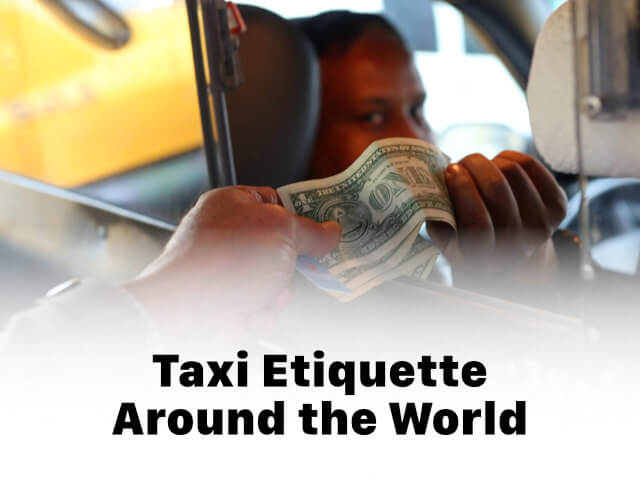
United States and Canada
Drivers here expect tips. Fifteen to twenty percent is standard in cities like New York or Chicago. Some drivers earn less than minimum wage. They rely on your extra dollars to pay bills.
Always check the meter first. Then add your tip before swiping your card.
Japan
Never tip in Tokyo, Kyoto, or Osaka. Japanese culture values excellent service as standard. Extra money suggests you pity the driver. It also creates awkward paperwork.
Simply pay the exact fare. Bow slightly and say thank you instead.
China
Mainland China follows similar rules to Japan. Tipping is not traditional. In some specific areas, such as airports, tipping may actually be illegal and considered bribery.
Your driver might chase you down the street to return your coins. Just pay the number on the meter.
United Kingdom and Ireland
London black cab drivers usually round up to the nearest pound. A trip costing nine pounds fifty might get a ten pound note. Say "keep the change" or let them keep the coins. For longer airport rides, add ten percent.
France and Germany
Service charges appear on most French bills. Still, leaving three to five percent shows good manners. In Germany, round up to the nearest euro. If your fare is eleven eighty, hand over twelve euros. Tell the driver "stimmt so."
Spain and Italy
Check your restaurant bill for "servicio incluido." This means service is already included. For taxis in Rome or Madrid, round up slightly. Ten percent works for exceptional help with heavy bags.
Australia and New Zealand
Tipping is not expected down under. Drivers earn fair wages already. However, rounding up is appreciated. If your fare is eighteen dollars, tell them to keep the twenty. This gesture says thanks without breaking local customs.
Front Seat or Back Seat
Where you sit sends messages about respect and equality.
Australia and New Zealand
Solo riders usually sit in the front passenger seat. Riding in the back can suggest you think you are better than the driver. Locals view the front seat as friendly and equal. Chat about sports or weather as you ride.
United Kingdom
London black cabs have no front passenger seat at all. The design forces you into the back. This creates a professional distance. Do not try to open the front door. You might scare the driver.
United States and Canada
Solo riders should sit in the back. The front seat is for groups of three or four. Riding up front alone can make the driver nervous. It breaks personal space rules.
Germany
Either seat works in Berlin or Munich. Most locals choose the back for privacy. Talking is optional. Drivers usually respect your silence.
China
Either seat is acceptable. Many locals prefer the back for comfort. Either way, be polite and have your destination written in Chinese characters if possible.
Five Ways to Say Keep the Change
Learning local phrases helps you travel smoothly. Here are five useful expressions.
-
Spanish: Quédese con el cambio
Pronounced: Kay-DEH-seh kohn el CAM-bee-oh
Use in: Madrid, Mexico City, Buenos Aires -
German: Stimmt so
Pronounced: Shtimmt zo
Use in: Berlin, Munich, Vienna -
Italian: Tenga il resto
Pronounced: TEN-gah eel REST-oh
Use in: Rome, Milan, Florence -
French: Gardez la monnaie
Pronounced: Gar-DAY lah moy-NAY
Use in: Paris, Lyon, Montreal -
Mandarin: Bú yòng zhǎo le
Pronounced: Boo yong jao luh
Use in: Beijing, Shanghai (where accepted)
Final Tips for Young Travelers
Always carry small bills in local currency. Card readers might not allow tipping options. Watch what locals do before you act. When in doubt, ask your hotel front desk. They know the exact rules for their city.
Remember that taxi drivers are cultural ambassadors. They know the best noodle shops and hidden parks. Treat them with respect, follow their local customs, and your ride becomes part of the adventure.