Hello, traveler! Exploring new cities is exciting, but taxi scams remain one of the most common ways tourists lose money. This guide combines real-world examples with practical strategies to protect your wallet and safety.
1. The "Broken Meter" Trick
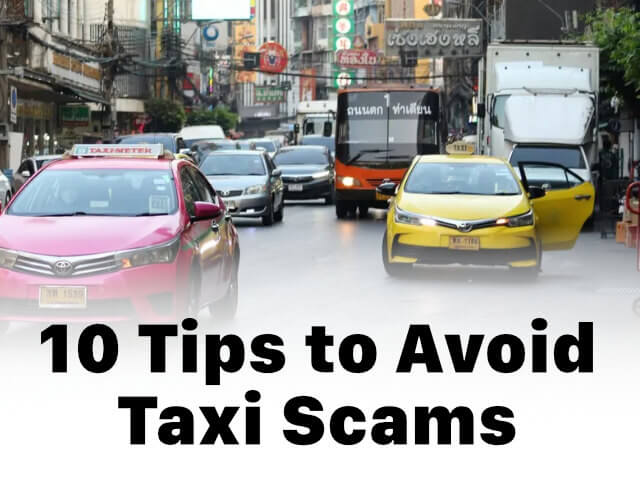
Drivers sometimes claim their meter is broken after you've already started moving. In Bangkok, scams of 1,200 baht (for rides that should cost 350-500 baht from the airport) are common. Always verify the meter is running before the car moves. If the driver refuses, exit immediately. This is actually illegal in most countries. The meter is your legal protection; without it, you have no proof of agreed pricing.
2. Don't Let Them Take the Long Way
Dishonest drivers use "tours" of the city to inflate fares. One family in Bangkok spent 45 minutes on the highway for a 20-minute ride, missing their sunset cruise. Use Google Maps with GPS tracking enabled and show the driver you're following the route. If they take unnecessary detours, ask immediately: "Why are we going this way?" A common excuse is "traffic," but insist on the most direct route unless you approve the change.
3. Skip the Shopping Detour
In Thailand, tuk-tuk drivers offer rides for just 20 baht, then trap you at gem shops or tailors for hours earning commissions. They may falsely claim your hotel is "closed" or flooded. Always insist on "no stops" when negotiating. If they persist, walk away. Legitimate drivers won't waste time arguing.
4. The Luggage Hostage Trick
Never put luggage in the trunk until you agree on the price. Some drivers speed away while you're still loading, or lock your bags in and refuse to open the trunk until you pay an inflated fare. Keep your most valuable bag with you in the back seat. If you must use the trunk, have one person stand at the back of the car until the price is settled.
5. Know What Real Taxis Look Like
Licensed taxis have clear signage and driver IDs. Unlicensed "pirate taxis" target tourists at airports and train stations. Here's the difference:
| Licensed Taxi | Warning Signs of Scams |
|---|---|
| Official markings on roof and doors | Handwritten or magnetic "TAXI" signs |
| Driver ID photo displayed inside | No visible identification |
| Working meter at official rate | Refuses meter, insists on "special price" |
| Found at designated taxi ranks | Driver approaches you inside terminal arrivals |
| Vehicle registration matches taxi plates | Private license plates disguised with taxi signs |
6. Snap a Photo First
Before your luggage goes in, photograph the driver's ID, taxi license number, and vehicle plates. This takes 10 seconds but provides evidence for authorities. In Marrakech, report issues to the Tourist Police at +212 05 24 38 46 01. In Rome, save the taxi's license number (format: "Roma ##") and report overcharging to Radio Taxi at 063570.
7. Agree on Price Before Bags Go In
At destinations without meters (common in Morocco and parts of Asia), negotiate the exact fare before entering. In Marrakech, airport rides should cost 70 dirhams for petit taxis, yet drivers often demand 300 dirhams. Write the agreed price on your phone and show the driver. Say clearly: "We agreed on 70 dirhams, correct?" This verbal confirmation prevents "misunderstandings" later.
8. Know Official Airport Rates
At Rome's Fiumicino Airport, the legally fixed rate to central Rome is 55 euros (within the Aurelian Walls), inclusive of luggage and applicable 24/7. Some drivers attempt to charge 75-130 euros. Check official rates before arrival and screenshot them. When drivers see you're informed, they rarely persist with scams.
9. Carry Small Bills & Watch Change
Many drivers claim they "have no change" for large bills to force overpayment. If your ride costs 150 baht and you give 1,000, they may pocket the difference. Keep small bills in separate pockets. Count change slowly and aloud. Check bills carefully. Scammers sometimes return currency from other countries or outdated notes that are worthless.
10. Physical Safety: Trust Your Gut
If a driver refuses the meter, takes hostile tones, or the vehicle feels unsafe, exit immediately. In Rome, one driver intentionally took a family to the wrong pier; they demanded to stop at a public area and found another taxi. Pay what you owe for distance traveled, then exit safely.
- Seatbelts: Always buckle up, even if local customs are relaxed
- Windows Up: In many cities (Santo Domingo, Jakarta, Bangkok), motorcycle thieves snatch phones/purses through open windows at traffic lights
- Verify Apps: Before entering, confirm the license plate and driver photo match your booking. Rideshare impersonation is rising
Bonus: Use Apps with Local Knowledge
Ride apps like Grab (Southeast Asia), Careem (Middle East), and Bolt (Europe) provide price estimates and driver tracking. Note: Uber operates differently by country (in Italy/Spain they use licensed taxis; banned in Turkey/Denmark). In some regions, local apps (like Morocco's InDriver or Indonesia's Gojek) work better than international ones.
Remember: Most taxi drivers are honest professionals. They're often your first friendly contact in a new city. These precautions target the small percentage who exploit travelers. Stay alert, stay respectful, and enjoy your journey!